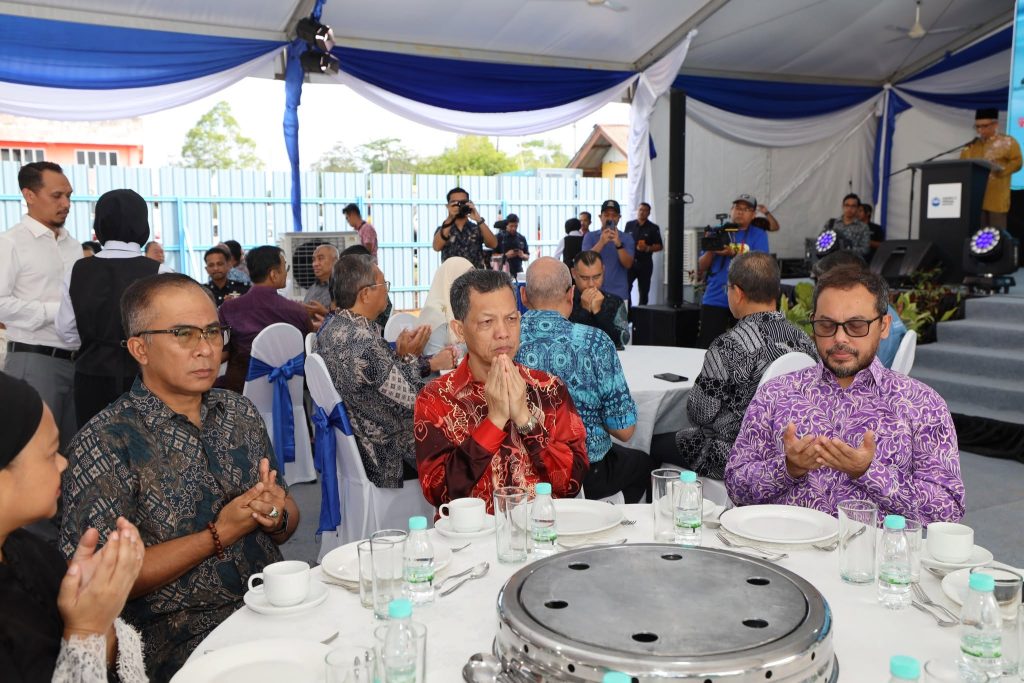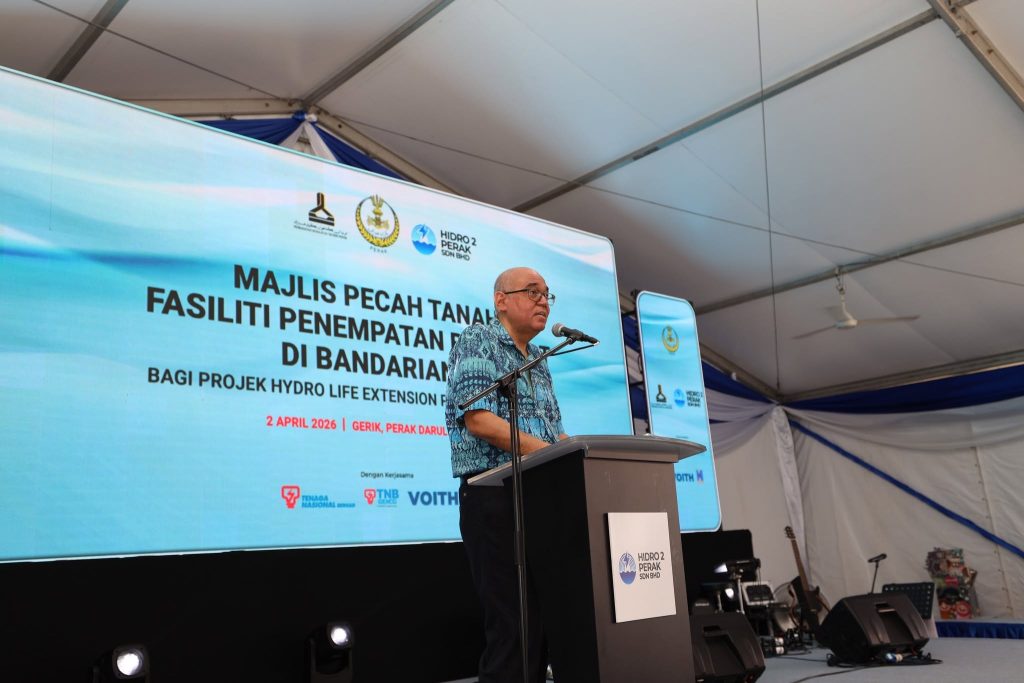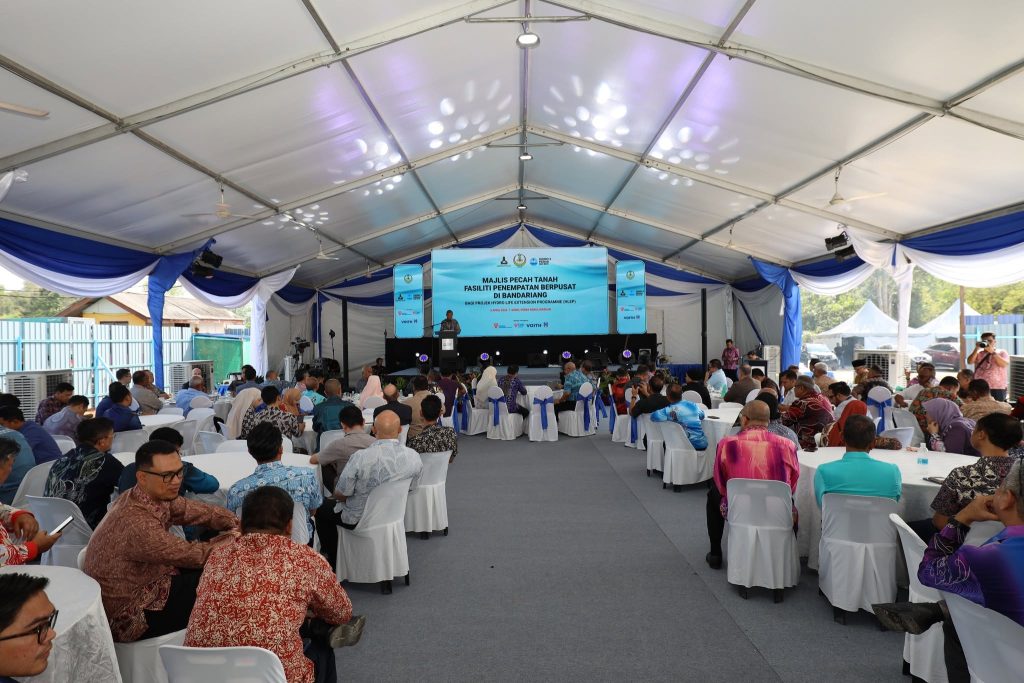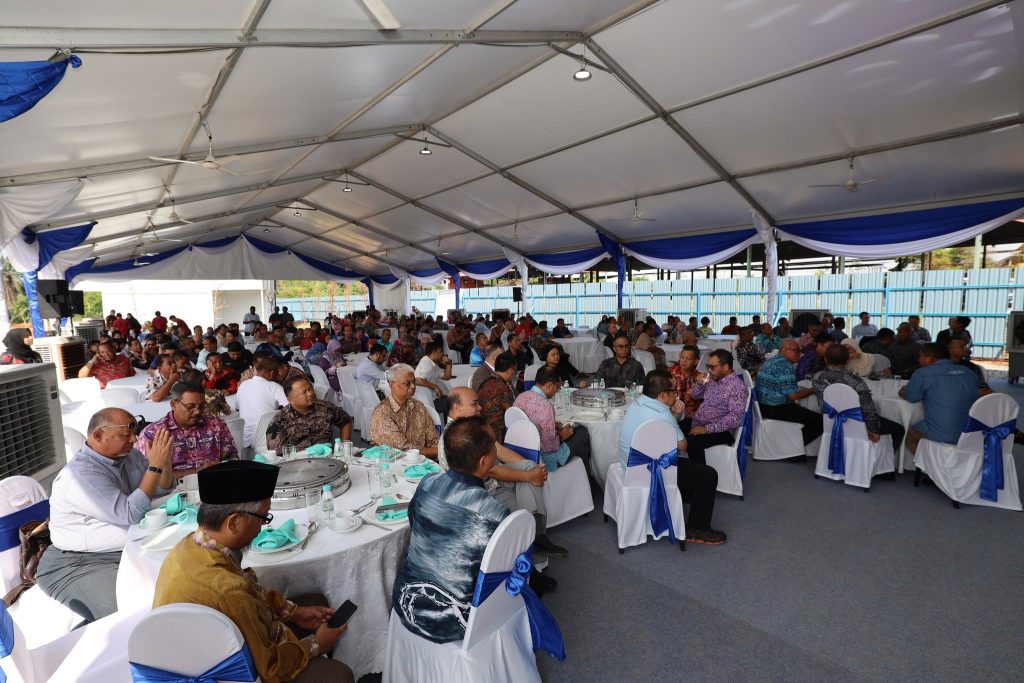

GERIK | 2 APRIL 2026
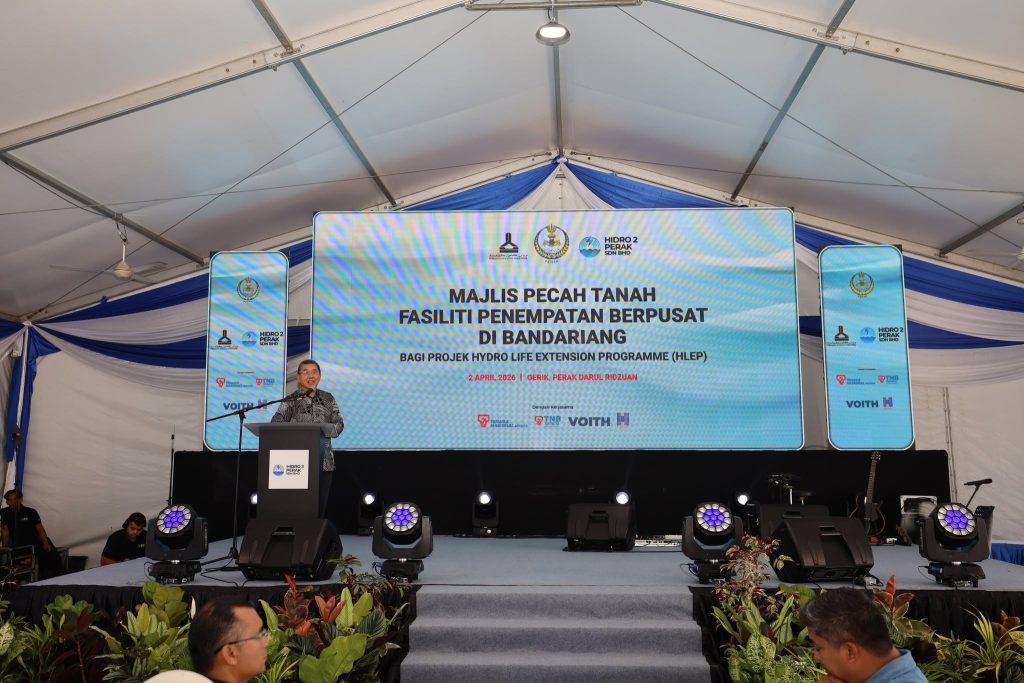
The State of Perak is reinforcing its position as a key driver of Malaysia’s future green economy through the implementation of the Hydro Life Extension Programme (HLEP), supported by the development of a Centralised Accommodation Facility as a strategic component within the Perak River hydroelectric corridor.
Delivering remarks on behalf of the Menteri Besar of Perak, YB Dato’ Seri Ir. Haji Mohammad Nizar Jamaluddin stated that the state’s natural resources, particularly the Perak River, are not merely a natural endowment but a strategic asset that underpins sustainable and competitive economic growth.
“Perak is not only contributing to the nation’s energy sector but is also positioning itself as a driving force for the future green economy. This is a long-term strategic initiative that will determine the resilience and competitiveness of the state’s economy in the decades ahead,” he said.
He noted that the development of hydroelectric power generation along the Perak River, dating back to the early 20th century and including the operation of major dams such as Temengor, Bersia, Kenering, and Chenderoh, has established a strong foundation for Malaysia’s energy security. Today, through the implementation of the HLEP by Tenaga Nasional Berhad (TNB) in collaboration with the Voith–HeiTech Consortium, Perak is taking a significant step forward in strengthening the nation’s Renewable Energy (RE) agenda.
With a generation capacity of 650.75 megawatts, the project is expected not only to enhance the operational efficiency of hydroelectric power stations but also to strengthen Perak’s role as a Strategic Clean Energy Hub, capable of attracting high-value investments, including those in the green technology and data centre sectors.
YB Dato’ Seri emphasized that TNB’s RM5.8 billion investment in the HLEP will serve as a major catalyst for economic growth in Hulu Perak. The project is anticipated to stimulate development in nearby towns such as Gerik and throughout the Hulu Perak district, positioning the area as a dynamic new centre of economic activity and support services.
“The state government is committed to ensuring that every phase of this project translates into meaningful benefits for the people. Therefore, the empowerment of local contractors and vendor development will remain a key pillar of our strategy to strengthen the state’s industrial ecosystem in a sustainable manner,” he added.
At the same time, he stressed that human capital development is central to this transformation. Through industry-based training programmes, strategic collaboration with Technical and Vocational Education and Training (TVET) institutions, and technology transfer initiatives, Perak is cultivating a highly skilled local workforce capable of meeting the demands of the future energy industry.
Meanwhile, Datuk Redza Rafiq, Chief Executive Officer of the Perak State Development Corporation (PKNPk), stated:
“PKNPk acts as a facilitator in the implementation of projects such as this by coordinating technical matters and securing approvals from local authorities, the Land and Mines Office, the Department of Environment, the Energy Commission, technical and utility agencies, as well as regulatory bodies to ensure smooth project execution.”
He explained that the development of the Centralised Accommodation Facility is a critical component in ensuring the efficiency of large-scale projects such as the HLEP.
“In a project of this magnitude, true strength lies not only in technology but also in the people who drive it. This accommodation facility provides a conducive, safe, and well-planned environment to ensure that the workforce can operate at its optimum level,” he said.
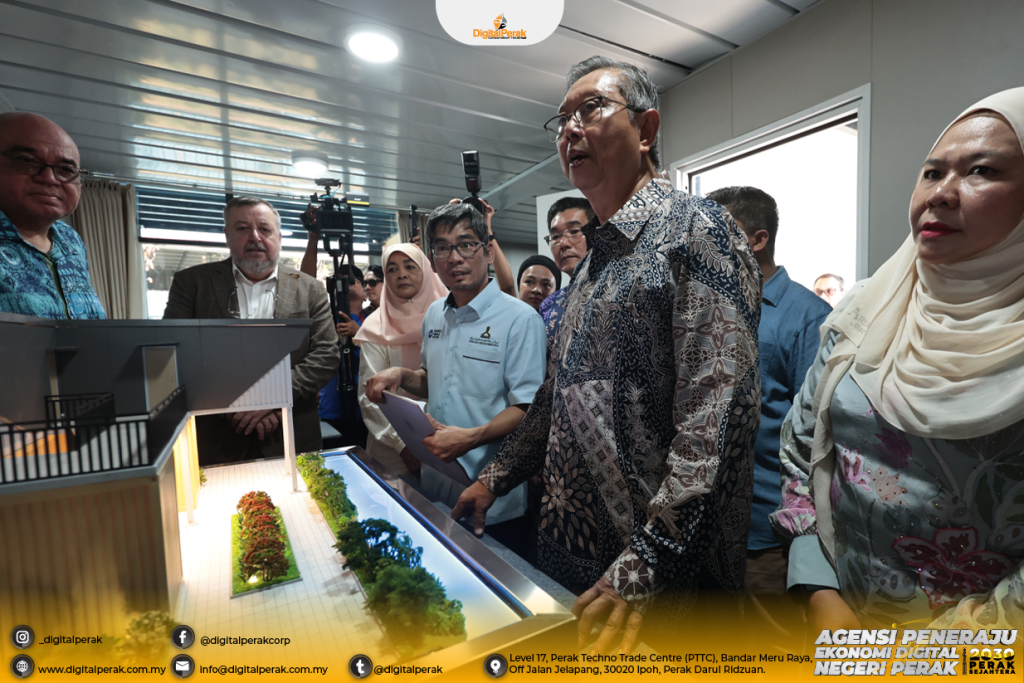
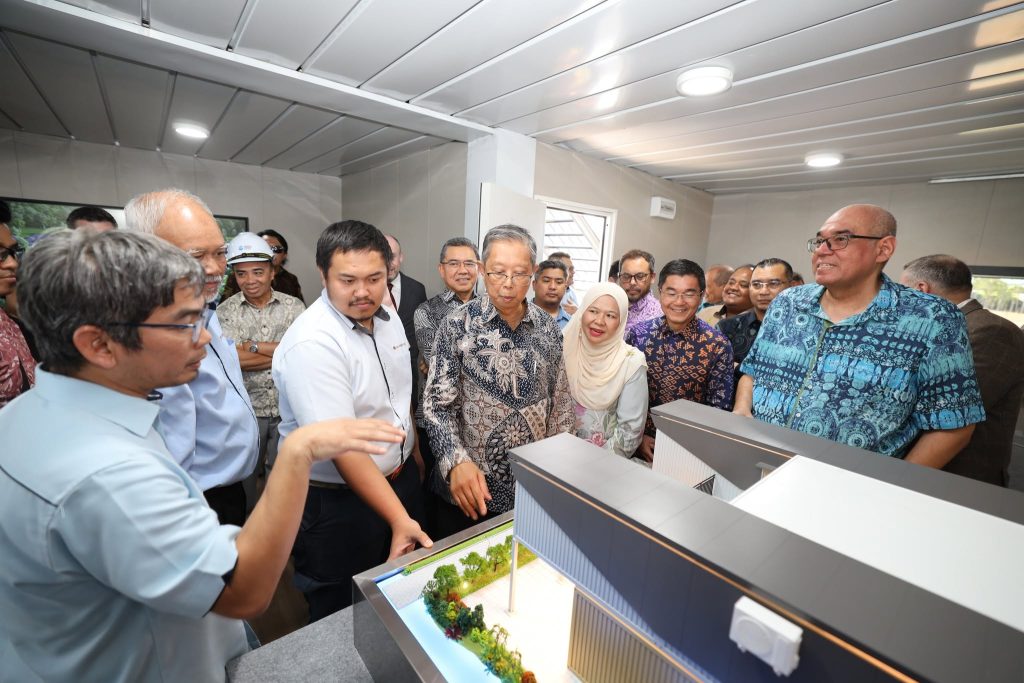
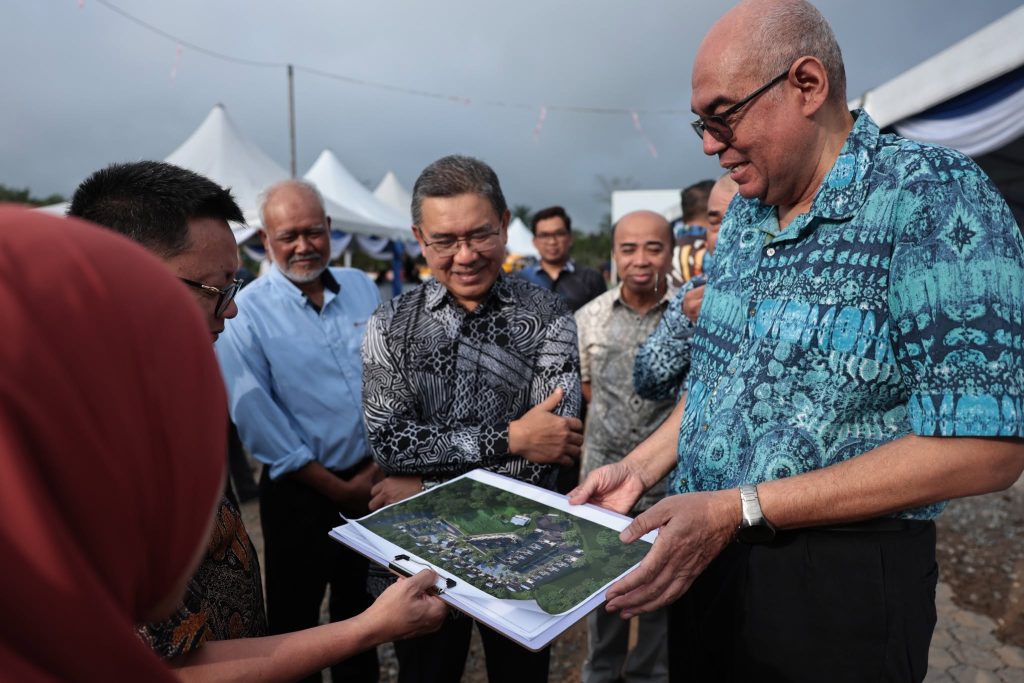
The facility is designed to accommodate approximately 200 workers, enhancing productivity, stabilising workforce availability, reducing pressure on public infrastructure, and preserving the well-being of local communities. It also reflects international best practices in modern workforce management, with a strong emphasis on safety, welfare, and sustainability.
Datuk Redza further highlighted that the continued strengthening of the Temengor–Bersia–Kenering hydroelectric corridor will boost investor confidence in the state’s energy capabilities, create opportunities for new industrial growth, and position Perak at the forefront of Malaysia’s Renewable Energy (RE) transition agenda.
Overall, the HLEP is more than just an energy infrastructure project; it is a strategic instrument that is shaping a new economic landscape for the state by integrating clean energy development, empowering human capital, and strengthening the industrial ecosystem within a comprehensive and resilient framework.
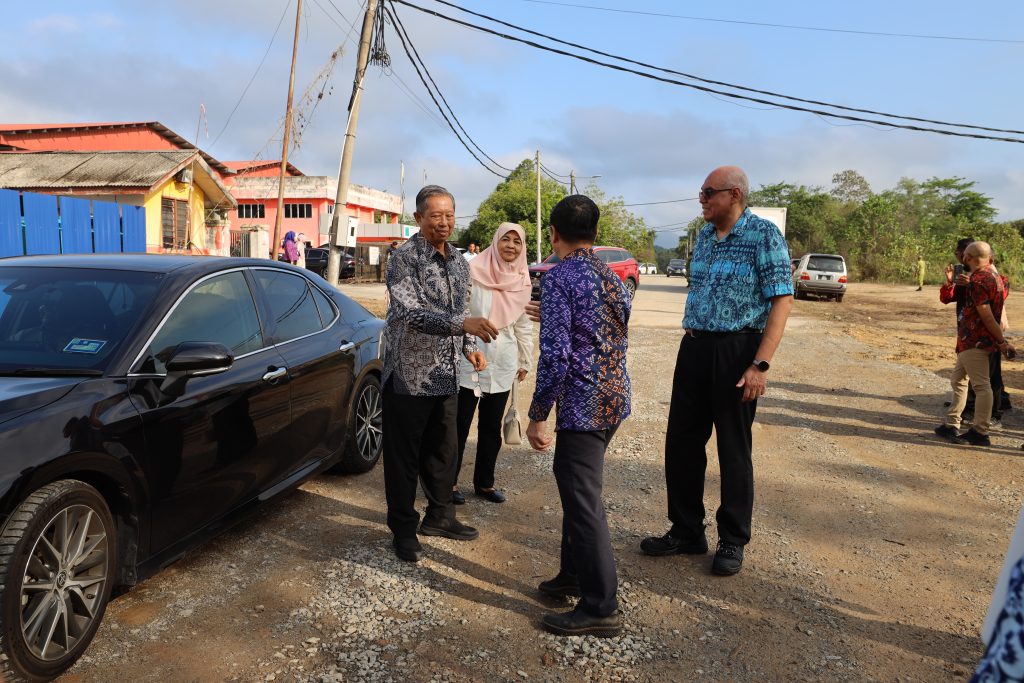
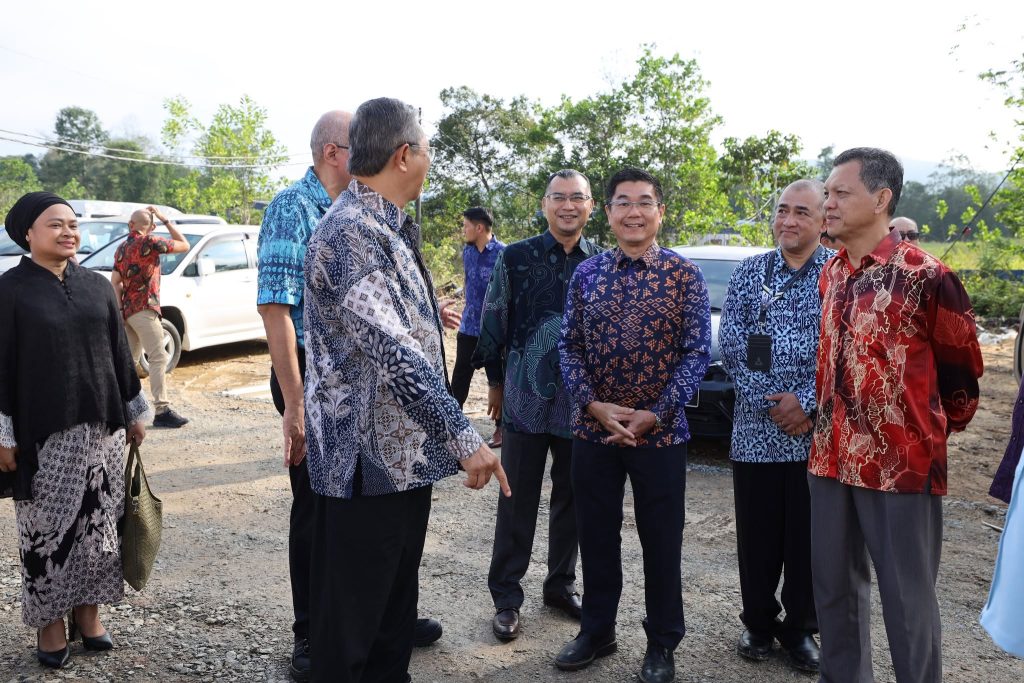
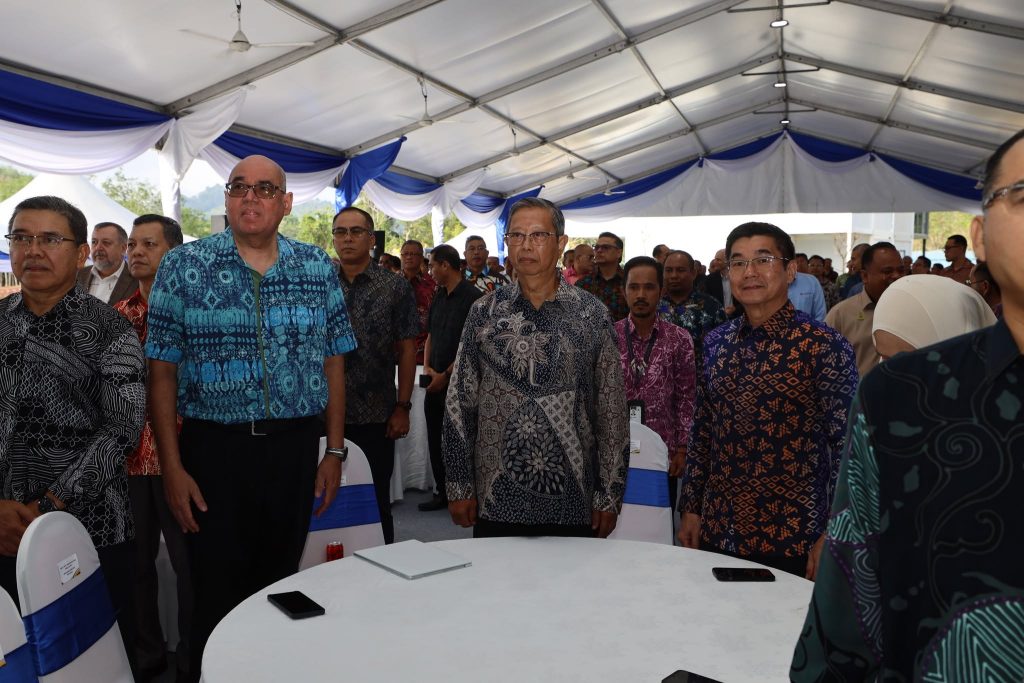
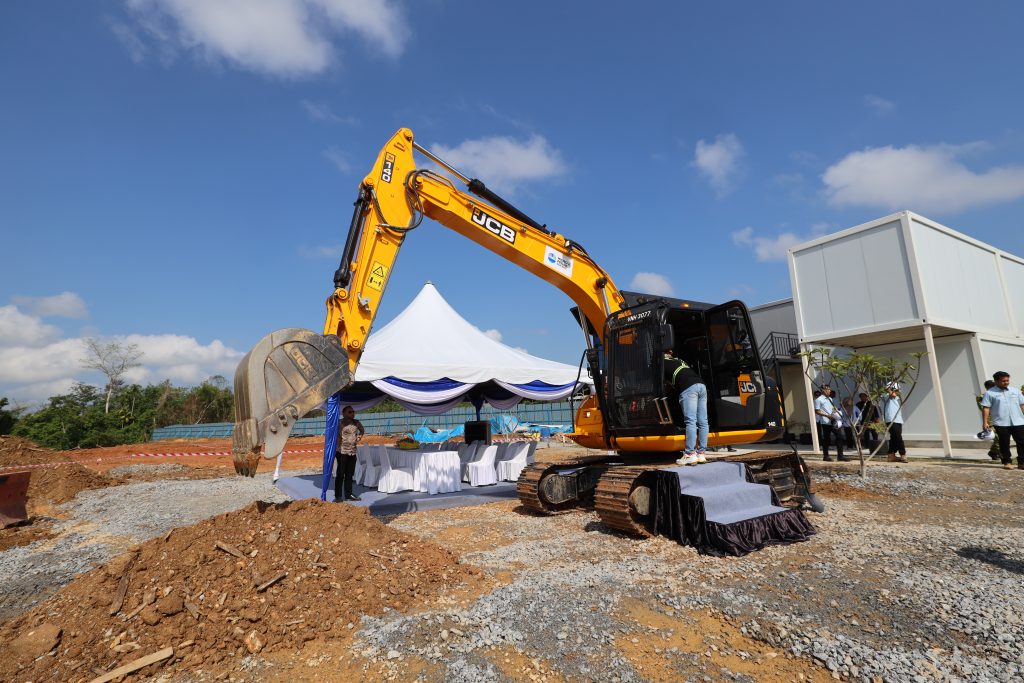
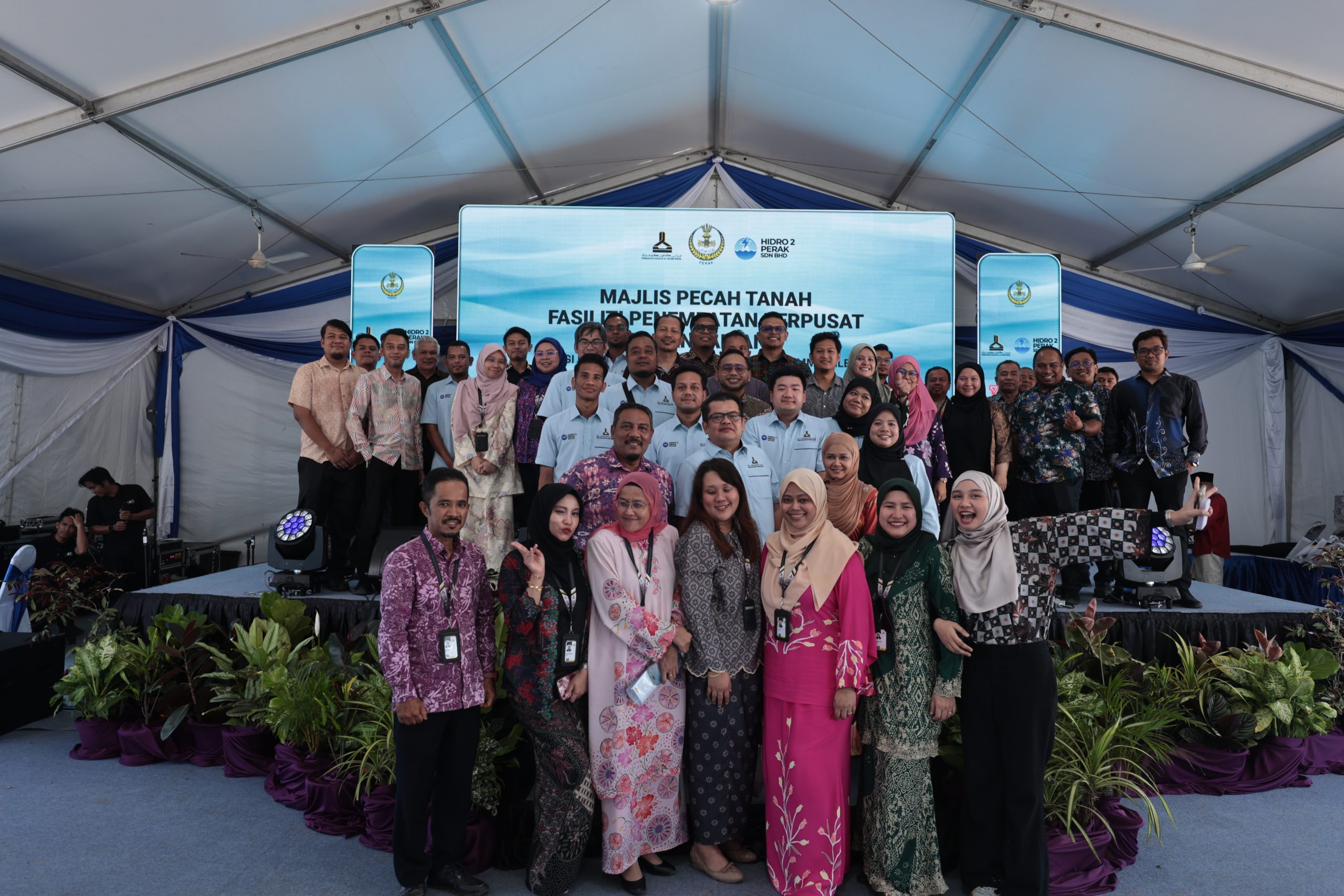
The groundbreaking ceremony was officiated by YB Dato’ Seri Mohammad Nizar Jamaluddin, Chairman of the Perak State Infrastructure, Water, Energy and Public Transport Committee, representing the Menteri Besar of Perak.
Also in attendance was YB Dato’ Salbiah Mohamed, Chairman of the Perak State Women, Family, Social Welfare and Entrepreneur Development Committee and State Assembly Member for Temengor.